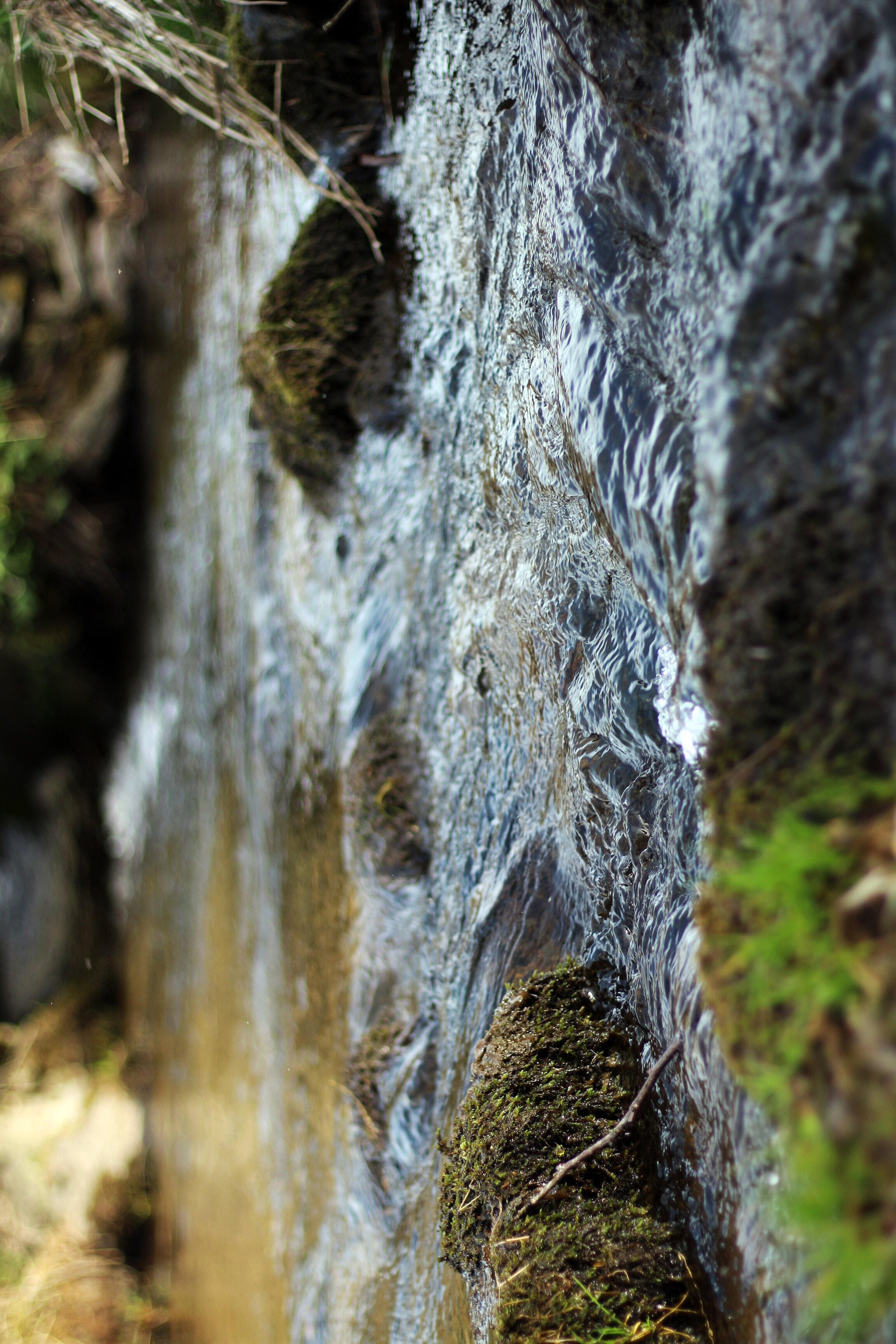
St. Helena Creek is the lifeblood of south Middletown. It supplies water to homes and farms east of Highway 29, supports fish and wildlife habitat, and defines the scenic character of our community.
But our creek is under threat. Unregulated commercial cannabis cultivation, increasing water demands, and summer drought are pushing St. Helena Creek to its limits. Fish are dying. Water levels are dropping. And if we don't act now, the damage could be permanent.
St Helena Creek United is a community effort to protect the creek through smart local policy — a commercial cannabis exclusion zone, water rights protections, and a summer water supplementation program to keep our fish alive.
St Helena Creek United
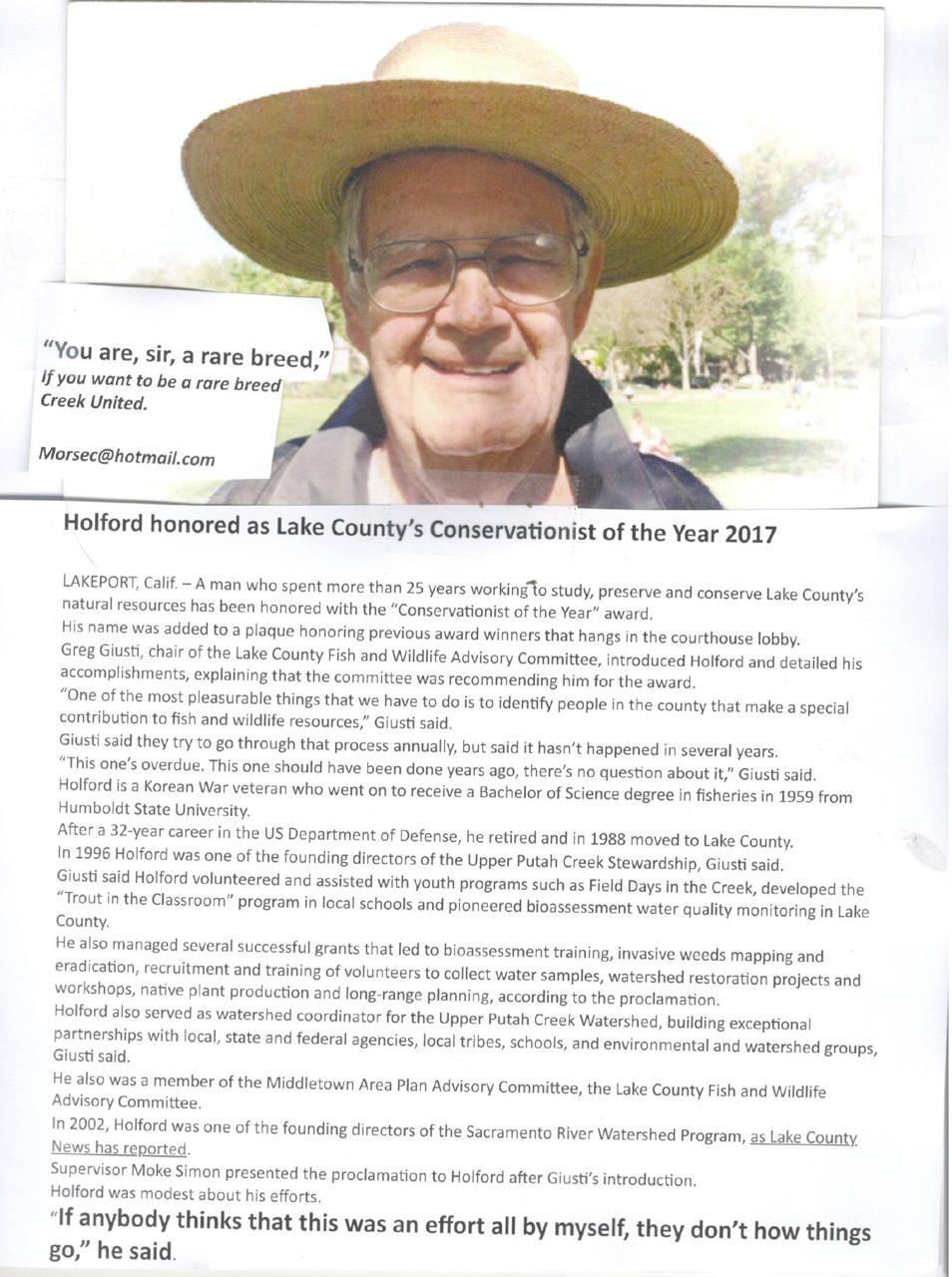
It's been done before. Lake County honored 25 years of grassroots watershed work right here in our community. Now St. Helena Creek needs that same commitment. Speak up. Show up. Contact us at [email protected]
A CREEK THAT FISH DEPEND ON
St. Helena Creek feeds directly into Putah Creek, which is home to Fall-run Chinook salmon — a species that has faced drastic declines across California due to habitat loss, dams, and water diversion. Recent restoration efforts along Putah Creek have shown real success bringing salmon back to the basin, but that progress depends on tributaries like St. Helena Creek staying healthy and flowing.
When St. Helena Creek dries up in summer, it doesn't just hurt the fish in our creek — it hurts the entire Putah Creek system that salmon depend on for spawning, cold water, and habitat. Trout, native minnows, and aquatic insects that form the base of the food chain all suffer too. Bears, deer, quail, and migratory birds that rely on the creek corridor lose their water source and food supply.
The science is clear: when the creek dries up, fish die, habitat collapses, and the whole ecosystem suffers.
THE THREATS WE'RE FACING
Commercial cannabis grows use massive amounts of water, especially from June through September — the exact months when creek flows are at their lowest and fish survival is most at risk.
When the creek dries up, fish get trapped in shrinking pools, water temperatures rise, dissolved oxygen disappears, and fish suffocate. Riparian vegetation dries out, banks erode, and habitat collapses. Without intervention, this cycle repeats every single year.
WHAT WE'RE PROPOSING
We're asking the Lake County Board of Supervisors to adopt a Commercial Cannabis Exclusion Zone along St. Helena Creek. Four pillars:-No Commercial Cannabis Along the Creek — Ban all commercial cannabis cultivation along St. Helena Creek from the Napa County line through Middletown.-Protect Existing Water Rights — No selling, trucking, or transferring creek water off-site. Your water right stays with your land.-Save the Wildlife — Protect Clear Lake hitch spawning habitat, salmon, trout, bear, deer, quail, and migratory bird corridors.-Keep the Creek Flowing in Summer — Pump supplemental groundwater from the Callayomi Valley aquifer into St. Helena Creek at the Hildebrand Bridge during dry months to keep fish alive.
THE HILDEBRAND BRIDGE PLAN
Every summer, St. Helena Creek flows drop to critical levels and fish die. The Callayomi Valley aquifer has roughly 37,000 acre-feet of storage, has been stable for over 40 years, and recharges fully every wet season. The plan: pump up to 50,000 gallons per day into the creek at Hildebrand Bridge during summer. That's a tiny fraction of available water but enough to keep the creek flowing and give our fish a chance to survive. California law specifically recognizes fish and wildlife habitat protection as a beneficial use of water.
HOW YOU CAN HELP
Speak up at the next Board of Supervisors meeting. Talk to your neighbors — if you live along St. Helena Creek, Highway 29, or Butts Canyon Road, this directly affects your water and your property. Contact your county supervisor and ask them to support the exclusion zone. Share this page with anyone who cares about Middletown's future.